

Your hair is dull. It feels coated, stiff, resistant to conditioner. Curls that used to bounce now fall flat. Color fades weeks earlier than it should. You have tried three shampoos, two masks, and a leave-in, and nothing sticks. If this started after a move, a plumbing change, or simply living in the same house long enough, the problem is probably not your products. It is your water.
Hard water leaves calcium, magnesium, iron, and copper on the hair shaft every time you wash. A 2018 lab study in the International Journal of Trichology found that hair samples from 70 men lost a significant amount of strength after treatment with hard water but not with deionized water, and the authors link that weaker hair to more breakage. That invisible mineral layer is what makes everything feel wrong, and a regular shampoo cannot remove it because surfactants are designed to cut oil and product residue, not chelate metal ions. You need a chelating formula: a shampoo (or pre-shampoo treatment) built around ingredients that bind to minerals and carry them off the strand. Our top pick for most people is Malibu C Hard Water Wellness Shampoo ($$, 4.4 stars, over 6,400 Amazon ratings), a sulfate-free chelating formula with citric acid and provitamin B5 that removes exactly the deposits regular clarifying shampoos leave behind.
| Product | Price | Size | Key Ingredients | Sulfates | Color-Safe | Rating | Buy |
|---|---|---|---|---|---|---|---|
| Malibu C Hard Water Wellness Shampoo (33.8 oz) Our pick | $$$ Premium | 33.8 fl oz | Provitamin B5, citric acid, flax protein, chelating agents | No | Yes | 4.4 (6,875 reviews) | Check price (Affiliate link) |
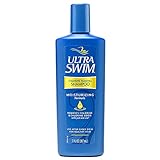
| UltraSwim Chlorine Removal Shampoo | $ Budget | 7 fl oz | Vitamin E, aloe vera, chlorine-neutralizing complex | Yes | Yes | 4.5 (6,756 reviews) | Check price (Affiliate link) |
| L'Oréal Professionnel Metal Detox Shampoo | $$$ Premium | 10.1 fl oz | Glicoamine (proprietary chelating agent) | No | Yes | 4.6 (10,928 reviews) | Check price (Affiliate link) |
| Color Wow Dream Filter | $$ Mid | 6.7 fl oz | Mineral-extracting complex (targets Ca, Mg, Cu, Fe, Mn, Al, Cl) | No (not a shampoo) | Yes | 4.2 (5,233 reviews) | Check price (Affiliate link) |
| dpHUE Apple Cider Vinegar Hair Rinse | $$$ Premium | 8.5 fl oz | Apple cider vinegar, lavender extract, aloe vera | No | Yes | 4.4 (1,971 reviews) | Check price (Affiliate link) |
Swipe the table to compare specs and ratings. The Buy column stays pinned.
How to tell if hard water is the problem
Short answer: if your hair texture changed after a move, your fixtures have white mineral deposits, and conditioner stopped working, you almost certainly have hard water. A home test kit confirms it; treating the hair is faster than waiting.
Hard water contains dissolved calcium and magnesium, and much of the US water supply qualifies. The U.S. Geological Survey maps water hardness nationwide, noting that hard water is prevalent in the east-central and western United States. But the map is not the whole story. One recurring finding in our Reddit research was users whose curl pattern changed in old buildings even in cities with moderate water: old plumbing deposits iron and copper from corroding pipes, producing the same coated, dull texture as hard water itself.
The tell-tale signs, repeated across r/curlyhair and r/HaircareScience threads:
- Hair feels stiff, waxy, or coated even right after washing.
- Curls lose definition or go limp; fine hair goes flat.
- Color fades noticeably faster than it did at your last address.
- White or greenish residue on shower fixtures, faucets, or glass.
- Products you’ve used for years “stop working.”
Well water is a special case. If your home runs on a private well rather than municipal water, the mineral load is often higher and the mix is different: iron and sulfur are more common alongside calcium and magnesium, and iron deposits specifically can tint lighter hair orange or reddish. Everything on this page applies to well water, but expect to chelate more frequently and prioritize formulas that name iron removal (Malibu C and L’Oréal Metal Detox both target iron).
If you recognize three or more of the signs above, try washing once with distilled water (a gallon jug from the store). If the difference is immediate, you have your answer.
Chelating vs. clarifying: different chemistry for different problems
A clarifying shampoo and a chelating shampoo both deep-clean, but they solve different problems with different chemistry. If your hair is heavy from product buildup (silicones, wax, dry shampoo residue), our clarifying shampoo picks handle that. If the problem is minerals from your water, that’s this page.
Chelating agents (EDTA, citric acid, phytic acid, sodium gluconate) work by binding to metal ions, forming a soluble complex that rinses away. In cosmetic chemistry this is called sequestration: the chelating molecule wraps around the mineral ion so it cannot cling to the hair shaft. Surfactants in a standard clarifying shampoo do not interact with dissolved minerals at all; they emulsify oil. That is why people in hard-water areas try clarifying shampoo, get some relief from product buildup, but still have dull, coated hair. The mineral layer is still there.
Some people need both, at different intervals. A weekly chelating wash handles mineral accumulation; a monthly clarifying wash handles product residue. If your water is hard and you use heavy styling products, the two problems stack.
How to spot a chelating formula on the shelf. Look for these ingredient names: disodium EDTA, tetrasodium EDTA, citric acid (in a chelating context, not just as a pH adjuster), phytic acid, sodium gluconate, or pentasodium pentetate. If the label says “chelating” or “mineral removal” alongside one of those, it is the right category. If it says only “clarifying” or “deep clean” without those agents, it is a surfactant clarifier, not a chelator.
1. Malibu C Hard Water Wellness Shampoo: our top pick
Malibu C Hard Water Wellness Shampoo (33.8 oz)
Best for: Anyone in a hard-water area whose hair has gone dull, lost curl definition, or feels coated despite regular washing
Chelating formula with provitamin B5 and citric acid that removes mineral deposits regular clarifying shampoos leave behind
- Chelating formula removes calcium, magnesium, iron, and copper deposits that regular clarifying shampoos miss
- Sulfate-free and color-safe; does not strip dye the way SLS-based clarifiers can
- Pairs with Malibu C Hard Water Wellness Remedy packets for intensive mineral removal
- A big bottle up front: the 33.8 oz is the size in stock (the 9 oz went unavailable in October 2026). Per ounce it is one of the cheaper chelators we list, but it is a lot of shampoo for a product most people use once or twice a month
- Designed for mineral buildup specifically; less effective than a surfactant clarifier for heavy product residue
- The orange-creamsicle scent is polarizing; some users find it too sweet
(Affiliate link) · price may vary
This is the product that surfaces most often in the hard-water threads we researched. Across r/curlyhair, r/HaircareScience, and r/FancyFollicles, Malibu C Hard Water Wellness Shampoo is the name people give when someone posts “I moved and my hair died, what do I do?” One user documented a before-and-after of their curls after a single wash with the treatment packet and shampoo. Another reported weeks of expensive product failures ending the day they switched to this formula. Those are individual experiences and results may differ; the routine this page recommends is a weekly chelating wash followed by heavy conditioning.
The mechanism is straightforward. Citric acid and a chelating agent complex bind calcium, magnesium, iron, and copper deposits, and provitamin B5 and flax protein add moisture back during the wash so the stripping effect is less severe than a sulfate clarifier. It is sulfate-free and labeled color-safe.
The 9-ounce bottle went out of stock in October 2026, so the card now points to the 33.8-ounce size at around $40: roughly $1.20 per ounce, one of the cheaper chelators per wash, but a big bottle for a product most people use once or twice a month. A 3.4-ounce travel size exists if you want to test it first. The community tip, repeated in multiple threads: leave it on for three to five minutes before rinsing. Chelating agents need contact time to bind to mineral deposits; a quick lather-and-rinse shortchanges the chemistry.
One complaint recurs across every thread that discusses Malibu C: it is stripping. Even sulfate-free chelating pulls moisture along with the minerals, and multiple users warn that skipping a deep conditioner or hair mask after a chelating wash leaves hair feeling dry and brittle. Plan to condition heavily after every use. The orange-creamsicle scent is also divisive; some users find it cloying.
Malibu C also sells Hard Water Wellness Remedy treatment packets for intensive, one-time mineral removal. The packets are more concentrated than the shampoo and are the better tool if you are dealing with months of accumulated buildup. Use the packets for the initial reset, then the shampoo for weekly maintenance.
2. UltraSwim Chlorine Removal Shampoo: best value
UltraSwim Chlorine Removal Shampoo
Best for: Swimmers and budget-conscious buyers who need chlorine and mineral removal without salon prices
Vitamin E and aloe formula that removes chlorine, copper deposits, and hard-water minerals at a drugstore price point
- At under $0.90 per ounce, it costs a fraction of salon chelating shampoos
- Removes chlorine and copper deposits that cause green tinting in lighter hair
- Gentle enough for daily use after swimming; safe for color-treated, permed, and relaxed hair
- Designed primarily for chlorine removal; less effective against heavy calcium and magnesium deposits than a dedicated chelating formula
- The 7-ounce bottle is small for the price class; heavy swimmers go through it quickly
- Not marketed as sulfate-free; if you specifically avoid sulfates, check the label or choose a sulfate-free alternative
(Affiliate link) · price may vary
Not everyone with hard-water problems needs a $18-per-bottle specialty formula. UltraSwim costs roughly $6 for 7 ounces and was originally formulated for swimmers dealing with chlorine and copper deposits from pool water. Those same deposits overlap heavily with hard-water minerals; the formula neutralizes chlorine bonds and removes oxidized metals including the copper that turns lighter hair greenish.
Why we recommend it
The price-to-performance case is simple. At 6,700-plus ratings and a 4.5-star average, UltraSwim has a stronger review floor than most of the salon-grade chelating shampoos in this category, and it costs a fraction of any of them. Vitamin E and aloe vera condition during the wash, which helps offset the drying effect of mineral removal. It is gentle enough for daily post-swim use and safe for color-treated, permed, and relaxed hair.
Who it’s best for
Swimmers who also live in hard-water areas get the most from this bottle. It is also the right starting point if you suspect hard water but are not ready to invest in a dedicated chelating system.
Potential downsides
- UltraSwim is designed around chlorine removal first. It is less effective against heavy calcium and magnesium deposits than a formula built specifically for chelation (Malibu C, L’Oréal Metal Detox). If your water is very hard and you have never chelated, this alone may not be enough.
- It is not marketed as sulfate-free. If you specifically avoid sulfates, check the label or choose one of the sulfate-free options in this lineup instead.
- The 7-ounce bottle is small. Daily swimmers go through it fast.
3. L’Oréal Professionnel Metal Detox Shampoo: best for color-treated hair
L'Oréal Professionnel Metal Detox Shampoo
Best for: Color-treated hair in hard-water areas where mineral deposits cause fading and discoloration
Salon-grade sulfate-free formula that detoxifies hair of metal particles from water while preserving color vibrancy
- Salon-grade chelating formula removes metal particles and mineral deposits without stripping color
- Sulfate-free and paraben-free; safe for color-treated and chemically processed hair
- Pairs with the Metal Detox mask and conditioner for a complete salon-level mineral defense routine
- At 10.1 ounces, it is the highest-priced bottle in the lineup
- Primarily targets metal particles and color protection; less focused on heavy calcium/magnesium deposits than a dedicated chelating formula
- The salon-professional positioning means it can be hard to find in drugstores; Amazon is the most accessible channel
(Affiliate link) · price may vary
If your primary concern is color fading or discoloration from hard water, this is the salon-grade option built for that problem. L’Oréal Professionnel Metal Detox targets metal particles specifically: the ones that accumulate from water and then react with hair color during chemical processing, causing breakage, dullness, and unpredictable tonal shifts.
One r/FancyFollicles user, sent home with a bottle by their stylist after struggling with hard water for years, reported that it outperformed the Malibu C shampoo they had been using. The comment thread confirms the pattern: salon clients who already knew they had a hard-water problem but found chelating shampoos insufficient for color protection.
Why we recommend it
Over 10,900 Amazon ratings at a 4.6-star average make this the highest-rated product in the lineup. It is sulfate-free and paraben-free, formulated with Glicoamine (L’Oréal’s proprietary chelating agent) to neutralize metal deposits while preserving color vibrancy. The Metal Detox line includes a matching mask and conditioner for a full routine.
Who it’s best for
Color-treated or chemically processed hair in hard-water areas. Also appropriate for anyone whose hard-water symptoms show up primarily as brassiness, dullness, or accelerated color fading.
Potential downsides
- At around $29 for 10.1 ounces, this is the highest-priced bottle in the lineup and among the higher per-ounce costs in the group.
- L’Oréal positions Metal Detox around metal particles and color protection; it is less focused than Malibu C on the heavy calcium and magnesium deposits that cause stiffness and coating. If your symptoms are more texture-based than color-based, the Malibu C is the better tool.
- The salon-professional branding means it is rarely found in drugstores. Amazon or a salon is typically how you buy it.
4. Color Wow Dream Filter: the pre-shampoo mineral remover

Color Wow Dream Filter
Best for: Anyone who wants a quick mineral detox without replacing their regular shampoo routine
Pre-shampoo spray that extracts calcium, magnesium, copper, iron, and chlorine deposits in three minutes
- Three-minute pre-shampoo format means you keep your regular shampoo and just add this step before it
- Non-stripping formula extracts seven different minerals without harsh surfactants or chelating shampoo dryness
- Works on all hair types including color-treated; specifically designed to prevent mineral-caused color distortion
- It is a pre-shampoo treatment, not a standalone shampoo; you still need to shampoo and condition after
- At 4.2 stars, it has the lowest average rating in this lineup; some users report inconsistent results
- The spray format uses product quickly; the 6.7-ounce bottle does not last as long as a shampoo bottle of the same size
(Affiliate link) · price may vary
This is not a shampoo. It is a pre-shampoo spray that extracts minerals before you shampoo, and that format difference is the reason it earns a slot. Color Wow Dream Filter targets seven contaminants (calcium, magnesium, copper, iron, manganese, aluminum, and chlorine) with a non-stripping formula you spray on, leave for three minutes, then shampoo out as usual. The appeal: you keep your regular shampoo and just add this step when mineral buildup needs addressing.
The format solves a real problem. Chelating shampoos replace your normal shampoo on wash day, and many people dislike the dryness or the scent or the way the formula interacts with their usual conditioner. Dream Filter sits in front of the shampoo step and does the mineral work independently. Three minutes, rinse, shampoo with whatever you already use, condition as normal.
At 5,200-plus ratings and a 4.2-star average, the rating is the lowest in this lineup, and some of the complaints explain why: users who expected a standalone mineral-removal solution report inconsistent results, particularly on very hard water. Dream Filter is effective for moderate mineral buildup and maintenance between heavier chelating washes. It is not the right tool for an initial heavy-deposit reset.
The spray format also burns through product faster than a shampoo bottle of the same volume. At around $20 for 6.7 ounces, budget the cost accordingly.
5. dpHUE Apple Cider Vinegar Hair Rinse: the gentler maintenance rinse

dpHUE Apple Cider Vinegar Hair Rinse
Best for: Anyone who finds chelating shampoos too stripping and wants a gentler mineral-maintenance option
Apple cider vinegar shampoo alternative that dissolves light mineral buildup and is gentler than a chelating shampoo
- ACV dissolves light mineral deposits through its acidity; much gentler than dedicated chelating shampoos
- Preserves natural hair oils instead of stripping them; no post-wash deep conditioning required
- Color-locking technology seals the cuticle; safe for color-treated hair of all types
- Not powerful enough for heavy mineral buildup; forum users report inconsistent results for serious hard-water deposits
- At this size, it costs more per ounce than the budget clarifying picks in this lineup
- The vinegar scent is mild in the bottle but some users report it re-emerging faintly in sweat
(Affiliate link) · price may vary
Chelating shampoos work, but they can be aggressive. If you find that dedicated chelating formulas leave your hair dry and brittle no matter how much you condition afterward, this ACV rinse is the gentler path. It will not hit as hard as Malibu C or Metal Detox on heavy deposits, and that is the honest trade-off.
Apple cider vinegar dissolves light mineral deposits through its natural acidity. dpHUE packages that chemistry into a proper product format with lavender extract and aloe vera for conditioning, plus color-locking technology that seals the cuticle. It is a shampoo alternative, not a shampoo: you use it instead of shampooing on days when a gentle mineral rinse is enough.
Where it fits in a routine
Think of this as the maintenance layer between heavier chelating washes. Use Malibu C or Metal Detox once a week for the deep mineral removal, and dpHUE on the other wash days to prevent new deposits from accumulating. That layered approach is the consensus in the r/curlyhair threads we researched: no single product solves hard water alone.
Potential downsides
- Forum users are clear that ACV alone is not powerful enough for serious hard-water deposits. If you have never chelated and your water is very hard, start with a dedicated chelating shampoo first.
- At around $21 for 8.5 ounces, it is moderately priced for the category, though the volume is smaller than a standard shampoo bottle.
- The vinegar scent is mild in the bottle, but some users report it re-emerging faintly in sweat. If scent sensitivity is a concern, test on a non-work day first.
The full hard-water routine
Short answer: a shower filter plus a chelating shampoo plus a deep conditioner, used at the right intervals. No single product solves hard water by itself.
The system works in three layers:
Layer 1: reduce incoming minerals. A shower filter (any well-reviewed model; the Jolie is the cult favorite, but a basic Amazon shower filter does the job) catches a portion of the minerals before they reach your hair. A filter alone is insufficient for existing buildup, but it slows the accumulation rate between chelating washes. On non-wash days, a dry shampoo extends time between chelating sessions without re-exposing your hair to hard water.
Layer 2: remove existing deposits. A chelating shampoo (Malibu C, Metal Detox, or UltraSwim for a budget option) binds and removes the mineral layer already on your hair. Weekly for maintenance; the contact-time trick matters here. Lather, leave on three to five minutes, then rinse.
A note on hair type. Hard water affects all textures, but the symptoms show up differently. Fine straight hair goes limp and greasy-looking; curly and wavy hair loses definition and clumps poorly; coily and Type 4 natural hair, especially low-porosity strands, accumulates deposits on the surface faster because the cuticle is tighter. The routine below works across types; adjust the chelating frequency (less for fine hair prone to over-stripping, more for dense or low-porosity hair that accumulates faster).
Layer 3: replace the moisture. Chelating strips moisture along with minerals. Follow every chelating wash with a deep conditioner or hair mask. This is not optional. Skipping it is the number-one reason people in hard-water threads report that chelating “made my hair worse.” It made your hair cleaner; you then failed to rehydrate it.
If you are starting from heavy buildup (months or years without chelating), consider an initial intensive treatment: Malibu C’s Hard Water Wellness Remedy packets are designed for this. One session resets the baseline; weekly shampoo maintenance keeps it there.
What we’d skip (and why)
Ion Hard Water Shampoo. Community-recommended in Sally Beauty threads, and we believe the feedback. But it is a Sally Beauty exclusive; you cannot buy it on Amazon, which means we cannot verify the ASIN, price, or review floor to our standard.
Shower-filter-only approaches. Filters reduce incoming minerals but do not remove existing deposits. If you already have buildup, a filter alone will not fix the texture and dullness. You need the chelating step first.
DIY apple cider vinegar rinses. The science behind ACV and mineral chelation is real, but homemade rinses deliver inconsistent concentrations. Multiple Reddit users report that the vinegar smell re-emerges in sweat, and the results for mineral removal are unreliable compared to a formulated product. If you want the ACV route, dpHUE packages it properly.
Any product positioning mineral removal as a growth treatment. We found no dermatology source that names hard water as a cause of hair loss: the American Academy of Dermatology’s list of 18 hair-loss causes does not mention water. The documented effect is on the strand. In the 2018 lab study above, hair treated with hard water lost strength, and strands that break may make hair look thinner. Chelating and conditioning deal with the buildup and the dryness; they will not mend strands that have already broken, and a product that promises more than that is overstating the mechanism.